Converting Industrial Spaces into Offices

Old Bricks, New Ideas: The Architecture of Adaptive Reuse Offices
Adaptive reuse—the architectural practice of taking old, historic structures and converting them into modern functional commercial spaces—is one of the fastest-growing trends in corporate architecture.
Why Old Buildings Make Inspiring Workspaces
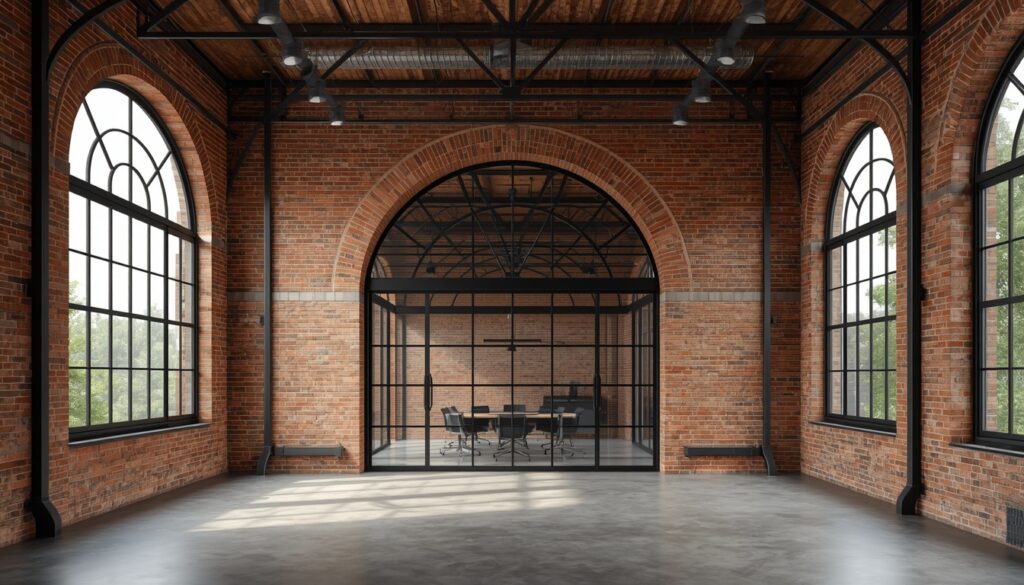
Historic warehouses, textile mills, and old factories offer structural elements that modern construction can rarely replicate, such as soaring timber ceiling heights, giant arched windows, and aged brickwork.
Blending Historic Character with Modern Code
The main challenge of adaptive reuse is integrating modern tech comforts—like high-speed data cabling, intense HVAC cooling, and fire safety systems—without ruining the original historic character.
Non-Invasive Spatial Configurations
- Glass Pod Architecture: Instead of building permanent drywalls that slice up beautiful open factory floors, architects use self-contained glass cubes to create meeting rooms. This preserves historical views across the entire building.
- Exposed Utility Trusses: Running shiny, galvanized steel air ducts and industrial cable trays openly along old wooden ceilings turns necessary utilities into a visual design statement.
Historic Building Shell (Brick & Wood Trusses)
  └── [Insulated Glass Inserts]  ──► (Maintains Arched Window Look)
  └── [Standalone Glass Pods]   ──► (Provides Quiet Meeting Space)
  └── [Polished Concrete Floor]  ──► (Integrates Radiant In-Floor Heating)
Material Conservation Practices
Preserving the original materials requires expert conservation care during the restoration and construction process.
Restoring Historic Fabrics
- Brick Cleansing: Soft sandblasting or chemical washing removes decades of soot and dust without degrading the original structural clay.
- Timber Sealing: Old structural timber pillars are meticulously sanded and coated with clear, matte fire-retardant sealants to ensure safety while highlighting the aged wood grain.

Responses