Illuminating Homes for Comfort

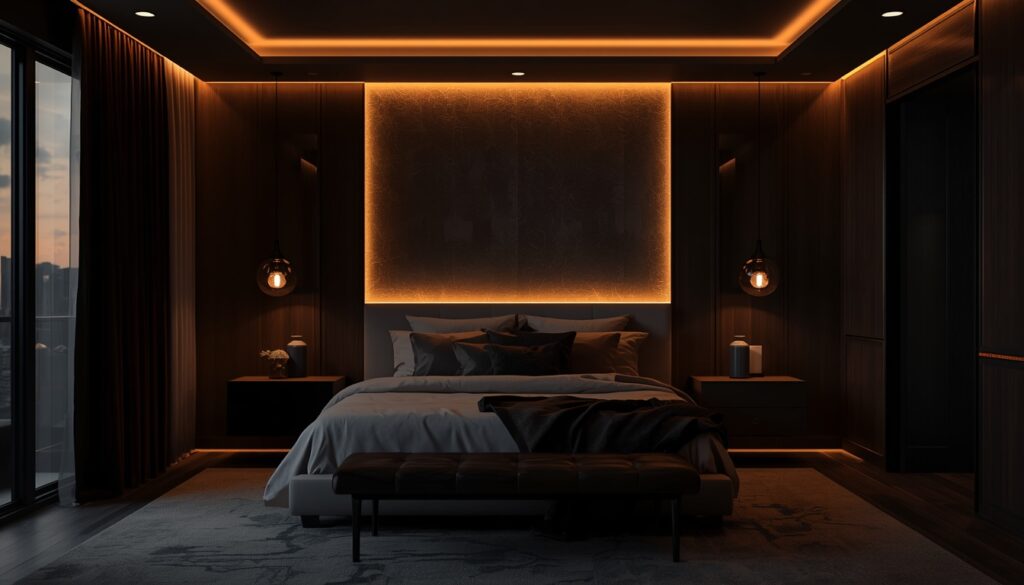
Lighting Psychology: How to Properly Layer Light in Your Home
Lighting is the ultimate mood-maker in residential interior design. Yet, many homes rely on a single, harsh overhead light fixture that flattens beautiful textures, causes eye strain, and creates unwanted, cold shadows.
The Three Layers of Architectural Lighting
To create a rich, inviting room atmosphere, you must layer your light sources using three distinct design approaches: ambient, task, and accent lighting.
Ambient, Task, and Accent Distribution
Balancing these three styles guarantees that a room can easily shift from an energetic daytime workspace into a relaxed evening lounge.
Breaking Down the Essential Layers
- Ambient Lighting: The base layer of soft light. This is best achieved using hidden LED ceiling coves or plaster-in architectural downlights that spread glow evenly.
- Task Lighting: Focused beams designed for specific actions, such as adjustable brass reading sconces by the bed or intense under-cabinet lighting over kitchen countertops.
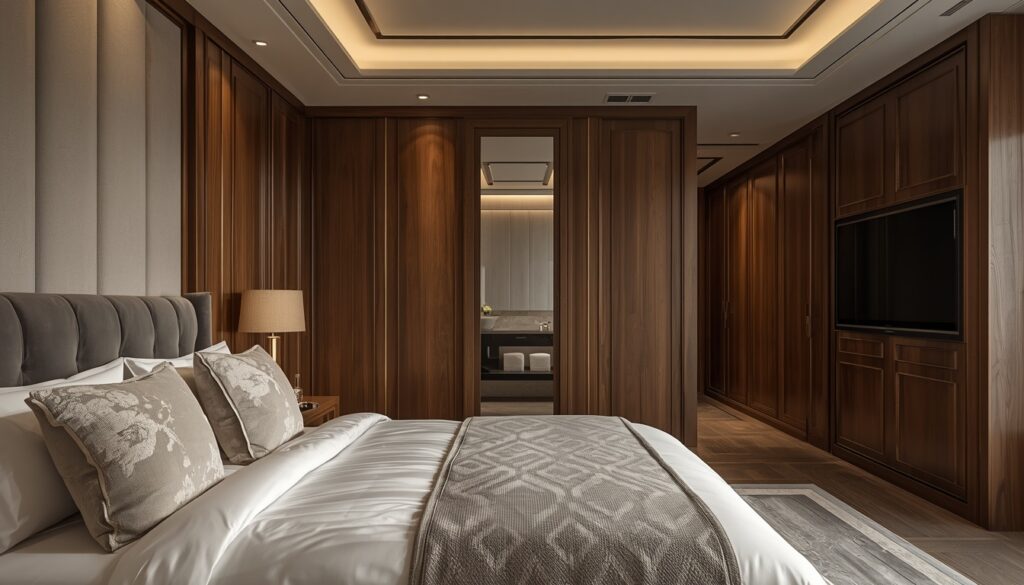
- Accent Lighting: Dramatic, tight spotlights used to draw focus toward artwork, custom stone fireplaces, or unique architectural wood panels.
[Ceiling Cove LED]  ───►  (Ambient Layer: Base Glow)
               │
     [Adjustable Wall Sconce] ──► (Task Layer: Focus Reading)
               │
       [Directional Spot]  ───►  (Accent Layer: Highlight Art)
Understanding Color Temperature (Kelvin Scale)
The color temperature of your bulbs dictates the emotional feel of the space. Mixing conflicting light temperatures in the same room can ruin an otherwise beautiful interior design.
Choosing the Right Room Values
- Living Areas & Bedrooms ($2700\text{K}$): Warm amber light that signals the brain to relax and produce melatonin.
- Kitchens & Workspaces ($3500\text{K} – 4000\text{K}$): Crisp, neutral white light that accurately shows food colors and reduces eye fatigue during detailed work.
Responses