Designing Clutter-Free Residential Spaces

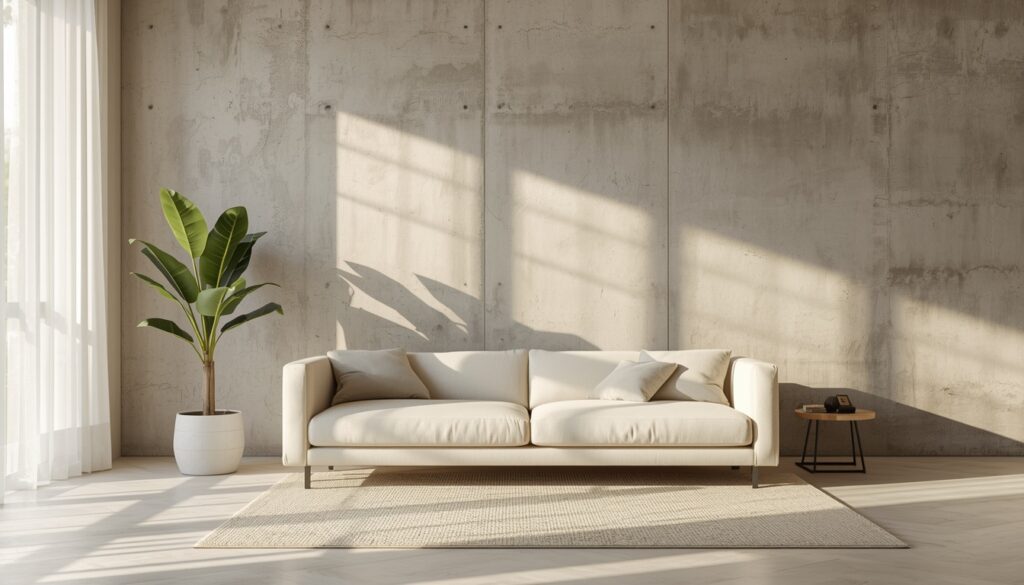
Less is More: The Art of Minimalist Residential Interior Design
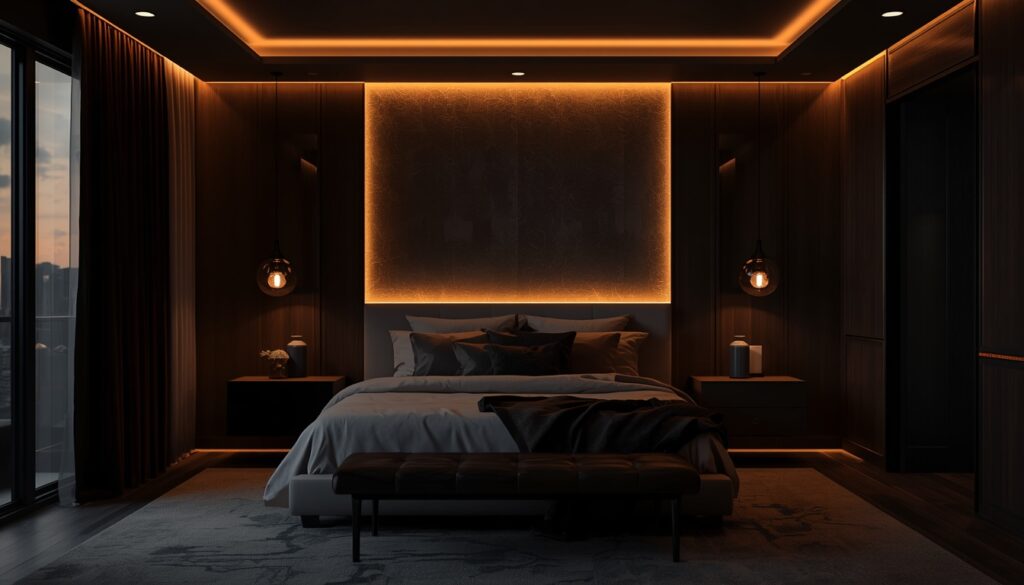
Achieving a true minimalist home is more than just throwing away old furniture. It is an intentional design philosophy that prioritizes space, light, and structural integrity over physical clutter. When executed correctly, minimalist interiors do not feel cold or empty; instead, they feel expansive, intentional, and profoundly peaceful.
The Core Foundations of Minimalism
Minimalism centers around the idea that your home should be a sanctuary from the chaotic outside world. By focusing on clean lines and functional layouts, your rooms naturally feel larger and more welcoming.
Spatial Freedom and Intentional Layouts
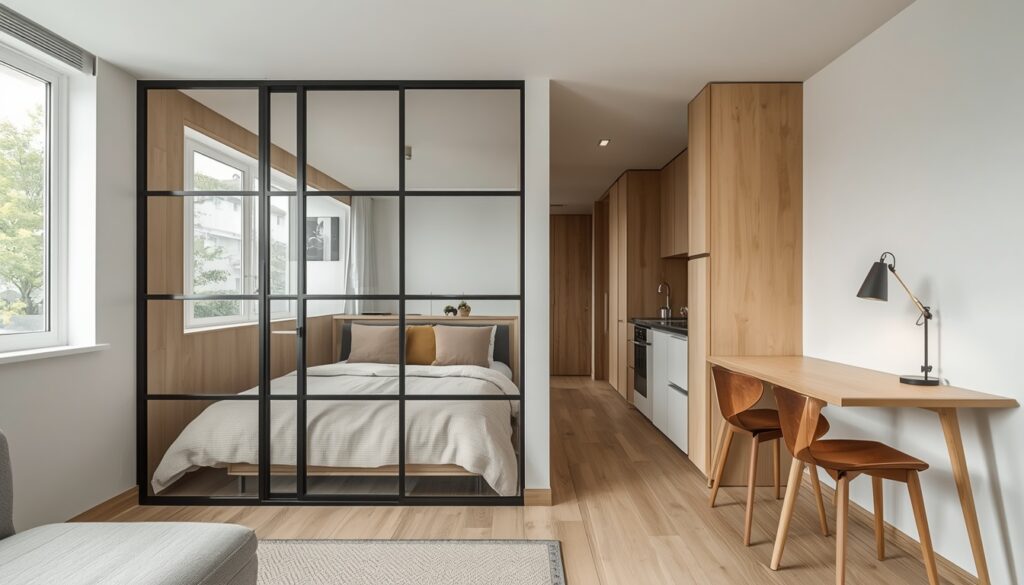
The primary step in minimalist design is analyzing the traffic flow of a room. Furniture should never block pathways. Every piece must have a clear purpose and a defined place.
Eliminating Visual Noise
Visual noise refers to anything that distracts the eye or creates mental clutter. This includes exposed cables, excessive decorative knick-knacks, and fragmented furniture arrangements.
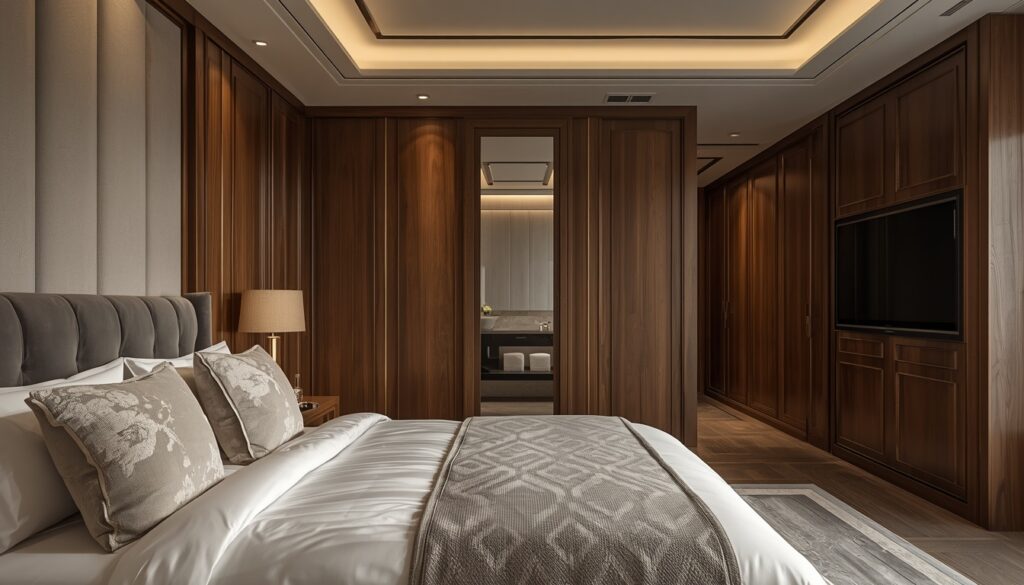
- Hidden Storage Systems: Use floor-to-ceiling handleless cabinets that blend seamlessly into the walls.
- Floating Credenzas: Keeps floor space clear, creating an illusion of a larger room footprint.
Choosing a Restrained Color Palette
Stick to monochromatic or earthy tones like soft whites, warm creams, muted greys, and sand. A limited palette allows the architectural features of the home to take center stage.
Texture Over Color
When colors are limited, textures keep the space from feeling sterile. Introduce materials with high tactile value to add depth and emotional warmth.
| Material Group | Suggested Application | Visual Impact |
| Bouclé & Linen | Sofas, accent chairs, and drapes | Softens harsh structural lines |
| Raw Oak or Walnut | Custom coffee tables and shelving | Adds natural warmth and grounding |
| Brushed Limestone | Flooring or fireplace surrounds | Introduces subtle, organic patterns |
Responses